
Keto Rash

Keto rash is an almost symmetrical form of skin rash, that develops on the abdomen, chest, back, armpits and occasionally on the neck. The name is derived from Keto or Ketosis as it is often manifest in individuals on a Keto or Ketogenic diet.
The Keto diet, involves a big change from standard diets high in carbohydrates to a high fat, often high protein diet. The diet involves “tricking” the body to burn Ketones from fats for energy instead of carbohydrates. This change in diet and the resulting physiological changes to the body can result in clinical side effects including Keto Rash, among others, such as headaches, or even diarrhea.
Symptoms
One interesting thing to note is that the condition appears to be more prevalent among Asian women and hence research is primarily focused among Japanese women. Symptoms of Keto rash include the following:
- Red itchy rash in the locations highlighted above
- Papules or red spots that have the appearance of a “web”
- After the rashes disappear a dark brown pattern remains on the skin
Possible Causes
Given the name of this medical syndrome, there appears to be a major correlation between Ketosis and Keto Rash. External factors such as sunlight, excessive heat, sweating, skin trauma as well as the presence of allergens are also thought to aggravate the condition
Treatment
Increase carbohydrate intake: This is possibly the hardest aspect of overcoming Keto rash for people committed to the Keto diet, but gradual increase in carb intake has been shown to improve the symptoms of Keto rash … indeed, if Keto adherents want to perhaps continue with the diet, they can also follow a moderately low carb diet instead.
Improve any nutrient deficiencies: The Keto diet is inherently restrictive, so followers of the diet need to ensure that they are able to get the vitamins and minerals they need. In particular, they need to ensure that they receive adequate amounts of vitamin A, vitamin B-12, and vitamin C as deficiencies in these have been associated with chronic skin conditions.
Eliminate Allergens: The Keto diet is often associated with consumption of low carb and high fat foods. Some of these like eggs, fish, seeds and nuts also belong to some of the most common allergens and it will be helpful for patients to ensure that they identify and eliminate such food groups that they are allergic to – in order to eliminate the symptoms of Keto rash.
Incorporate Anti-Inflammatory supplements to diet: Supplements like pre and probiotics, fish oil and even primrose oil have been shown to relief the symptoms of Keto Rash.
Skin Care: Simple efforts like keeping your skin clean and moisturized are also effective in relieving or preventing Keto Rash.
Medication: Your personal medical professional should also be consulted and they may prescribe antibiotics or other medicines such as Dapsone which are effective against the symptoms of Keto Rash
Conclusions
At the end of the day, perhaps only a minority of people on a Keto diet actually develop Keto Rash so it is not very common. If it is a problem while on a Keto diet, one can start by gradually increasing the intake of carbohydrates, ensure adequate nutrition through taking the necessary supplements if one’s diet is deficient in certain minerals and last but not least, consult your medical practitioner who may be better able to advise on medication or supplements.
Keto Chicken Salad

Chicken salad is an easy to prepare, easy to store solution for a Keto diet. Indeed, it is an easy, go to meal for anyone on the diet, who does not really care for having to plan menus in advance etc.
Just prep up a large quantity of Keto Chicken salad, and leave it in the fridge for lunch or dinner for the next few days!
Keto Chicken Salad…. The basics:
Chicken salad is inherently Keto compliant … if you take care of the ingredients that go into it. Firstly Chicken itself is absolutely fine on Keto. The main issue is likely to be the mayonnaise or mustard used which followers of the Keto diet may need to watch out on.
Oftentimes, commercially made mayonnaise can be full of unwanted carbs such as sugar. In this case there is a few things you can do:
- Choose a Keto compliant commercially produced Mayonnaise. Brands that are compliant include Chosen Brands (uses Coconut Oil and a slight touch of cane sugar); Sir Kensington’s Mayonnaise which uses Avocado oil and lime; Primal Kitchen Mayo; Duke’s sugar free mayo; Tessemae’s organic Mayonnaise.
- Make your own Keto complaint Mayo… One very basic recipe for Mayo without the sugars and preservatives as follows:
Ingredients –
- 1 egg yolk
- A healthy squeeze of lemon juice
- A small dab of dijon mustard
- Salt to taste
- ¾ cup of the oil of your choice (we recommend 100% avocado oil).
Method –
In a small mixing bowl, mix all the ingredients EXCEPT the oil together with a whisk. Once this is done, very SLOWLY add in the oil and continue whisking – literally adding the oil drop by drop. This emulsifies the water content in the egg yolk and the other ingredients with the oil to form your Mayonnaise. Continue to add the oil slowly and whisk until all the oil is gone into the mixture. And there you have it, your very own homemade SUGAR and PRESERVATIVE FREE Mayonnaise. (Do note that apart from the egg yolk and the quantity of oil indicated in this recipe, the other ingredients CAN be adjusted according to your own taste buds – so experiment and enjoy!). Also note that such home made mayo will not last as long as commercial ones so we do suggest consumption on the same day if possible!
- Go for a Mayo free Keto Chicken Salad recipe… you may try out the in this link for a Greek Style Keto Chicken Salad with Yoghurt – https://www.foodfaithfitness.com/mediterranean-greek-yogurt-chicken-salad/
Otherwise, here is our standard Keto Chicken Salad Recipe for your enjoyment:
INGREDIENTS
- 1/4 cup (Low Carb) Mayonnaise
- 2 tbsp Mustard
- 2 tbsp Fresh dill (chopped)
- 2 tbsp Fresh parsley (chopped)
- 2 cloves Garlic (minced)
- 3 cups Shredded chicken (cooked)
- 1/2 cup Green onions (chopped)
- Sea salt
- Black pepper
METHOD
- In a salad mixing bowl, mix together the mayonnaise, mustard, fresh dill, fresh parsley, and garlic.
- Add in the chicken as well as green onions. Season with sea salt and black pepper to taste.
- Before serving, leave in the refrigerator for 2 hours to let the flavors blend better.
RECIPE NOTES
Serving size: 1/2 cup
NUTRITION INFORMATION PER SERVING
Amount per serving. Serving size in recipe notes above.
Calories 175
Fat 12g
Protein 16g
Total Carbs 1g
Net Carbs 0g
Fiber 1g
Sugar 1g
Storing Your Keto Chicken Salad
This Keto Chicken salad recipe is perfect for storing and in fact keeping the salad longer in the fridge allows the flavors to mix better and makes for a better tasting meal. It can be stored for about a week in the refrigerator which means that it is an easy meal to whip out for a whole week if you are too busy to cook fresh each day, – especially for Lunch!
Alternative ways to enjoy your Keto Chicken Salad
While the above Keto Chicken salad can be enjoyed perfectly on its own, we can also suggest here a few other options of serving it, increasing your enjoyment and adding some variety, especially if you are eating it over a period of 1 week. This way, you won’t get bored at all!
- Wrap your Keto Chicken Salad in a Lettuce Leaf and turn it into Lettuce Wraps
- Create a cup out of a tomato and stuffing your Keto Chicken Salad into it
- Add it as a protein source into low carb vegetable salads
- Halving and scooping out the seeds of peppers and filling it with your Keto Chicken Salad
- Using it as a creamy, protein rich “Dip” with low carb nachos or low carb tortilla chips
- Spreading it over low carb crackers
- Spreading it over cucumber “discs”
- Making it into a sandwich with your favorite Keto Bread
Ketosis Headache
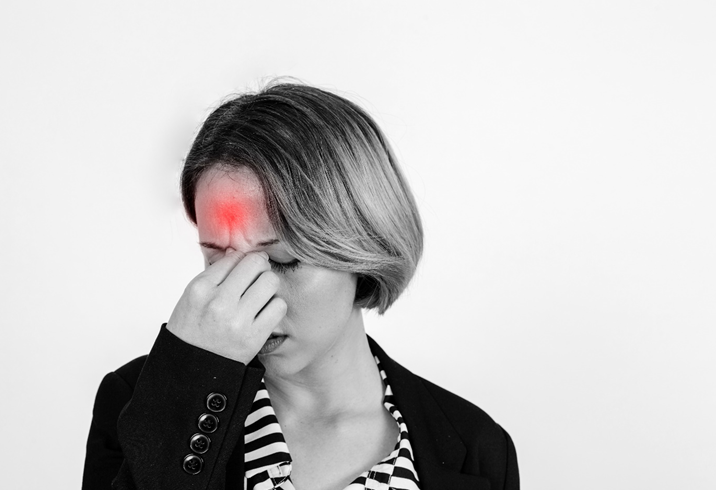
Most people have had experienced headaches. However, for people on a Keto diet, having a headache is just one of the signs of the physiological changes that are going through their bodies as a result of the change in diet from a conventional diet, to a Keto diet. A Keto diet is low in carbs, moderate in proteins and high in fat. As such the body has to transition from “burning” carbohydrates (glucose) to fats (ketones) for energy for body functions.
It is during this initial transition stage that certain unpleasant symptoms such as a Ketosis Headache, can occur in some individuals starting on a Keto diet.
Potential Causes of a Ketosis Headache
Low Blood Sugar – The body and the brain in this case is used to a certain level of glucose in the blood. When embarking on a Keto diet a person’s blood sugar level will decrease and for some individuals, this adds stress to the body which manifests in headaches. In most cases, these headaches disappear when the body starts utilizing ketones rather than glucose… ie when they have achieved Ketosis.
Dehydration – Glycogen is the primary form in which glucose is stored in the body, as the body’s store of glycogen is broken down due to reduction of carbohydrate intake, the water molecules stored next to it get released and this causes the body to dehydrate. The brain itself is also affected in that dehydration results in changes to the fluid volume of the brain cells.
Electrolyte imbalance – Along with release of water (as described above), electrolytes such as sodium or magnesium are released from the body when water is eliminated. Electrolytes are essential components for neural functions and any imbalance will lead to unpleasant effects on the body, including headaches. In particular sodium levels tend to decrease the most during ketosis and sodium deficiency will in fact result in overstimulation of pain receptors and amplify any headache that occurs.
Toxins from Burning Fats – When the body converts the fat store into energy, toxins are also released into the bloodstream. These toxins can cause fatigue, headaches and dizziness in some people.
How long does a Ketosis Headache last?
Typically, Ketosis headaches can last anywhere from 24hrs to 2 weeks. Generally, it will also depend on the diet patterns of the person involved. For example, a person who has been on a low or lower carb diet, who goes into a keto diet will have less severe symptoms and recover faster from it, as compared to someone who had a high carb diet before embarking on a Keto diet. That being said, we will strongly recommend that medical advice be sought if you are distressed or feel that the symptoms have gone on for longer than they typically should.
How to get rid of a Ketosis Headache?
Salt your water – as mentioned previously in this article, a deficiency of sodium will tend to overstimulate pain receptors and make any headache worse. Try adding ½ to 1 teaspoon of a glass of water to restore sodium levels… if this soothes the problem, continue for a few days until the headache has gone away completely.
Increase fat intake – Getting enough fats into the system and having the body start converting these fats into energy is the best way of counteracting a Ketosis Headache. Healthy fats are the best, including by consuming sardines and salmon which are rich in omega-3 fats. Indeed, Ketones which are by products from fat conversion is a good anti-inflammatory agent, which will help mitigate the effects of a Ketosis headache.
How to prevent a Ketosis Headache
Proper Hydration – As indicated above, dehydration is a major factor in triggering a Ketosis Headache. Recommended to drink as and when one is thirsty and to go for plain water rather than sugary drinks like sodas, fruit juices etc.
Keep Electrolyte levels balanced – As mentioned before, electrolytes like sodium, potassium and magnesium are essential components in body functions. Magnesium in particular is a known muscle relaxant that can help in preventing tension headaches. Coconut water if taken in moderation has been shown to be able to replenish all the important electrolytes like Sodium, Magnesium and Pottasium as well as being a great way to maintain hydration.
Transition Moderately – Last but not least, a lot of the time, a Ketosis Headache manifests itself due to too quick a transition between a traditional high carb diet, to a Keto diet. By slowly easing into a Keto diet the effects on the body will be less severe and possibly prevent the headaches in the first place.
Conclusion
A Keto Headache is something that some people will experience on the Keto diet. That being said, it will be temporary and subside once your body adjusts to deriving energy from Ketones vs Carbohydrates. In addition, taking measures like moderate and gradual transition to the low/no carb diet; ensuring your electrolyte levels are balanced as well as ensuring proper hydration, will stand you in a much better chance of having milder symptoms or prevent the occurrence of a Keto Headache altogether.