
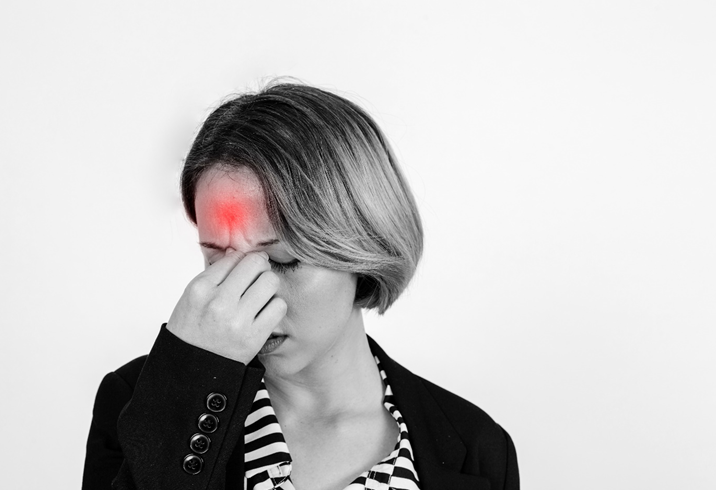
Most people have had experienced headaches. However, for people on a Keto diet, having a headache is just one of the signs of the physiological changes that are going through their bodies as a result of the change in diet from a conventional diet, to a Keto diet. A Keto diet is low in carbs, moderate in proteins and high in fat. As such the body has to transition from “burning” carbohydrates (glucose) to fats (ketones) for energy for body functions.
It is during this initial transition stage that certain unpleasant symptoms such as a Ketosis Headache, can occur in some individuals starting on a Keto diet.
Potential Causes of a Ketosis Headache
Low Blood Sugar – The body and the brain in this case is used to a certain level of glucose in the blood. When embarking on a Keto diet a person’s blood sugar level will decrease and for some individuals, this adds stress to the body which manifests in headaches. In most cases, these headaches disappear when the body starts utilizing ketones rather than glucose… ie when they have achieved Ketosis.
Dehydration – Glycogen is the primary form in which glucose is stored in the body, as the body’s store of glycogen is broken down due to reduction of carbohydrate intake, the water molecules stored next to it get released and this causes the body to dehydrate. The brain itself is also affected in that dehydration results in changes to the fluid volume of the brain cells.
Electrolyte imbalance – Along with release of water (as described above), electrolytes such as sodium or magnesium are released from the body when water is eliminated. Electrolytes are essential components for neural functions and any imbalance will lead to unpleasant effects on the body, including headaches. In particular sodium levels tend to decrease the most during ketosis and sodium deficiency will in fact result in overstimulation of pain receptors and amplify any headache that occurs.
Toxins from Burning Fats – When the body converts the fat store into energy, toxins are also released into the bloodstream. These toxins can cause fatigue, headaches and dizziness in some people.
How long does a Ketosis Headache last?
Typically, Ketosis headaches can last anywhere from 24hrs to 2 weeks. Generally, it will also depend on the diet patterns of the person involved. For example, a person who has been on a low or lower carb diet, who goes into a keto diet will have less severe symptoms and recover faster from it, as compared to someone who had a high carb diet before embarking on a Keto diet. That being said, we will strongly recommend that medical advice be sought if you are distressed or feel that the symptoms have gone on for longer than they typically should.
How to get rid of a Ketosis Headache?
Salt your water – as mentioned previously in this article, a deficiency of sodium will tend to overstimulate pain receptors and make any headache worse. Try adding ½ to 1 teaspoon of a glass of water to restore sodium levels… if this soothes the problem, continue for a few days until the headache has gone away completely.
Increase fat intake – Getting enough fats into the system and having the body start converting these fats into energy is the best way of counteracting a Ketosis Headache. Healthy fats are the best, including by consuming sardines and salmon which are rich in omega-3 fats. Indeed, Ketones which are by products from fat conversion is a good anti-inflammatory agent, which will help mitigate the effects of a Ketosis headache.
How to prevent a Ketosis Headache
Proper Hydration – As indicated above, dehydration is a major factor in triggering a Ketosis Headache. Recommended to drink as and when one is thirsty and to go for plain water rather than sugary drinks like sodas, fruit juices etc.
Keep Electrolyte levels balanced – As mentioned before, electrolytes like sodium, potassium and magnesium are essential components in body functions. Magnesium in particular is a known muscle relaxant that can help in preventing tension headaches. Coconut water if taken in moderation has been shown to be able to replenish all the important electrolytes like Sodium, Magnesium and Pottasium as well as being a great way to maintain hydration.
Transition Moderately – Last but not least, a lot of the time, a Ketosis Headache manifests itself due to too quick a transition between a traditional high carb diet, to a Keto diet. By slowly easing into a Keto diet the effects on the body will be less severe and possibly prevent the headaches in the first place.
Conclusion
A Keto Headache is something that some people will experience on the Keto diet. That being said, it will be temporary and subside once your body adjusts to deriving energy from Ketones vs Carbohydrates. In addition, taking measures like moderate and gradual transition to the low/no carb diet; ensuring your electrolyte levels are balanced as well as ensuring proper hydration, will stand you in a much better chance of having milder symptoms or prevent the occurrence of a Keto Headache altogether.